Welcome to this precious moment...

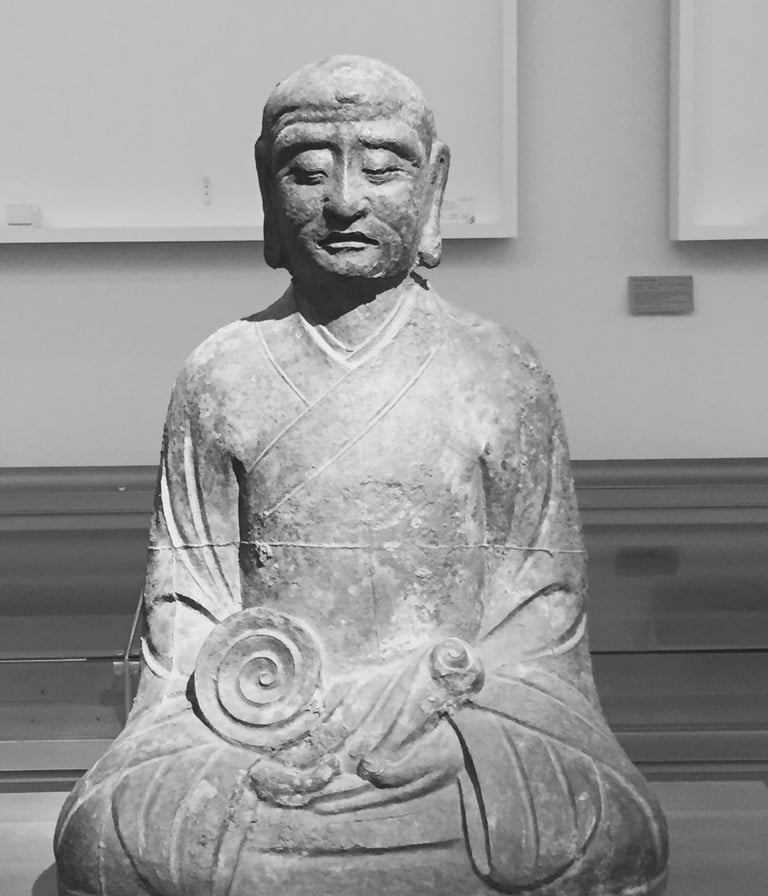
"Our job is to develop confidence in the fact that our own true nature has exactly the same potential as that of the Buddha, and that all we need to do to mature that potential is follow Siddhartha's example and apply the right methods."
Dzongsar Khyentse Rinpoche
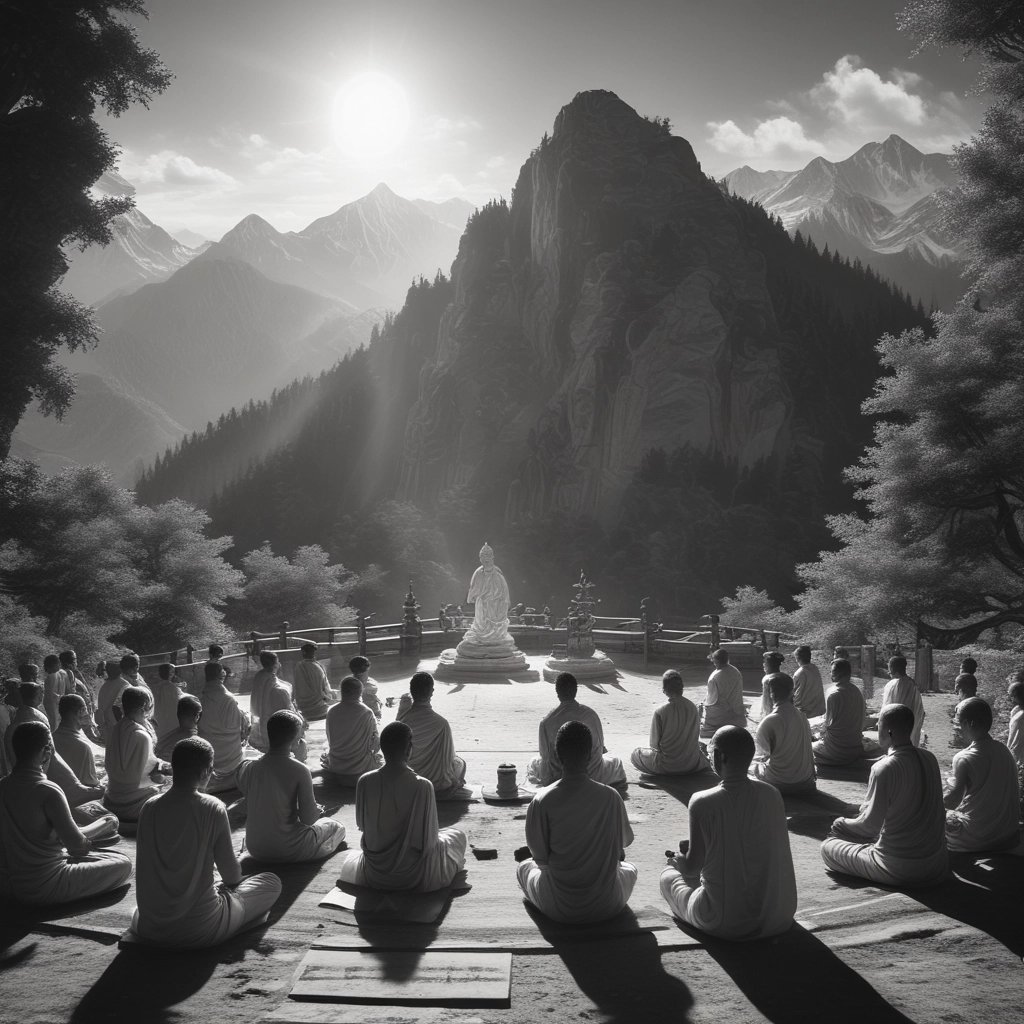
In the Tibetan Buddhist tradition, there are three main strands:
1. The first one is Theravada, or the original Buddhist teaching.
2. The second one is the Mahayana, which was developed afterwards and is particularly focused on emptiness and altruism.
3. The third one is the Tibetan Buddhist tradition, or the Vajrayana, which makes particular use of the imagination and the master-disciple relationship, implementing specific skilful means on a spiritual and energetic level, i.e. the tantric tradition.
The original Buddhist teachings, covers:
- Calm abiding and clear seeing meditation (shamatha and vipassana)
- The four foundations of mindfulness: awareness of the body and sensations, feeling, thoughts, mental events, as well as awareness of the truth that all phenomena in our perceptual field of awareness.
- The four immeasurables: loving-kindness, compassion, sympathetic joy, and equanimity
- The three signs of conditioned existence (Lakkhanas in Pali): unsatisfactoriness, impermanence and non- self
The Mahayana (Great Vehicle in Buddhism), which is essentially combining emptiness and altruism in its universal, less monastic form. Everybody is considered a being of altruistic intent suffused with enlightened energy, a bodhisattva, if they are on this path. The basis of this is the trust and recognition of our buddha nature or Tatagathagarbha.
For this realization to happen, it is important to reflect on the nature of reality. We begin to understand the emptiness of fixed separate identities. Intuitively grasping the interdependent nature of everything, and that nothing truly exists by itself we let go of attachments spontaneously. Teachings cover the Heart Sutra, the Diamond Sutra, and also texts from the Zen tradition. We also teach advanced Buddhist psychology, in particular the eight consciousnesses from the Yogachara perspective which is particularly relevant to psychologists and psychotherapists as well as experienced meditators.
Vajrayana: the utilisation of the archetypal world in pursuit of non-duality. We also look at the enlightening journeys of the ancient masters like Padmasambhava, Milarepa, and others exploring their songs of realisation
Do you notice that there is an underlying unsatisfactoriness in your life, despite all your many successes?
Are you looking for a deeper, more spiritual dimension?
Do you experience a lack of meaning and clear purpose?
Learning meditation and Buddhist philosophy can open a totally different perspective transforming your life in a joyful way.
We are really good at creating an environment where you can learn and grow spiritually, intellectually and energetically.
“As a star, a visual aberration, a lamp, an illusion, dew, a bubble, a dream, lightning, and a cloud – view all the compounded like that.”
(Source: The Vajracchedika Prajnaparamita Sutra – often called The Vajra Cutter Sutra)